
With England’s Vitality Roses preparing to face Jamaica, attention has turned to several key players who will be missing from the court due to injury.
One particularly disappointing announcement involves Alicia Scholes, who has ruptured her anterior cruciate ligament (ACL) during an England training camp, ruling her out for the remainder of the 2026 season.
For Alicia, this injury comes at an especially difficult time. Having earned her place back in the Vitality Roses squad, she was preparing for the opportunity to wear the famous red dress again, potentially making her first England appearance since February 2025. After all the hard work involved in earning another international opportunity, it’s heartbreaking to see it taken away just days before the series.
England head coach Anna Stembridge has also expressed her disappointment, praising Alicia’s hard work and development during training camp, while confirming that she will receive support throughout her rehabilitation.
Meanwhile, Liv Tchine and Sasha Glasgow have also been managing injuries, with both requiring additional recovery time before returning to international competition.
For netball fans, it’s disappointing news. But it also raises an important question: Are female athletes naturally more prone to injury, or is there more to it?
Are women more likely to suffer injuries than men?
Research suggests that female athletes are more likely to experience certain types of injuries, particularly those affecting the knees.
Studies have found that women can be between two and six times more likely to suffer an ACL injury than men in comparable sports, although the difference varies depending on the sport and level of competition.
The ACL is one of the main ligaments responsible for stabilising the knee. Injuries can happen when an athlete suddenly stops, changes direction, twists or lands awkwardly, all movements that are particularly common in netball.
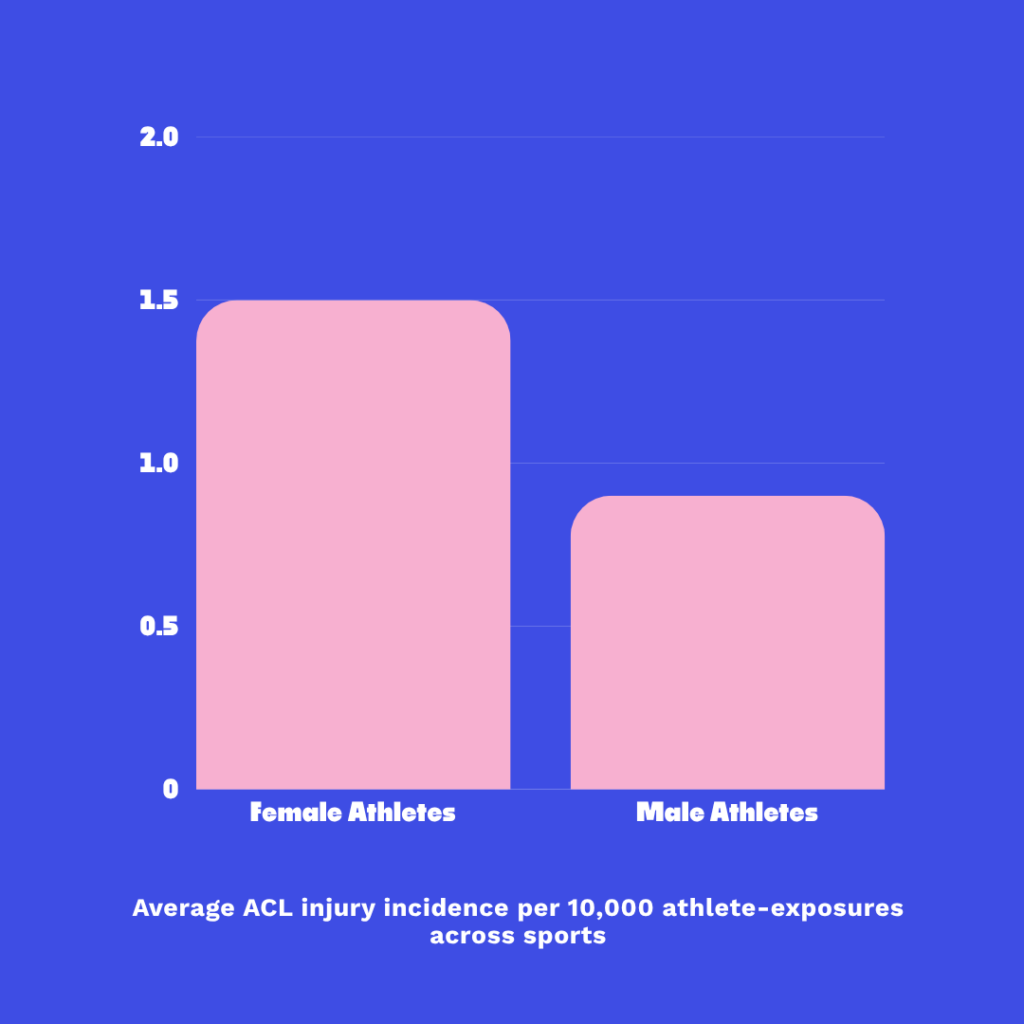
However, this doesn’t mean women are more likely to suffer every type of sporting injury. The evidence is much stronger for specific injuries, such as ACL ruptures, than for injuries overall.
So, what makes female athletes more susceptible.
Is it down to female biology?
Our bodies could play a part.
Differences in anatomy, muscle strength, joint movement and the way athletes land or change direction may all influence ACL injury risk.
Researchers have examined factors including the shape and structure of the knee, hormonal influences and differences in muscular control.
However, biology alone doesn’t explain the difference. Training history, previous injuries, fitness, fatigue and access to injury-prevention programmes can all affect an athlete’s risk.
Being female doesn’t automatically mean you’re destined to suffer a serious knee injury.
Could the menstrual cycle increase the risk of injury?
It’s a question that’s receiving increasing attention in women’s sport.
Throughout the menstrual cycle, hormones such as oestrogen and progesterone fluctuate. Researchers have investigated whether these changes affect ligament properties, joint stability and the body’s ability to recover.
Some studies have suggested that injury risk could vary at different points in the menstrual cycle. However, the evidence remains inconsistent, and scientists have not established a particular phase when all female athletes are at greater risk.
What we do know is that menstrual symptoms can affect how some women feel, train and recover. Fatigue, pain, disrupted sleep and changes in energy levels may all influence an individual’s experience.
Rather than suggesting women should avoid training at certain times of the month, experts recommend taking an individual approach and monitoring symptoms, recovery and wellbeing.
Are women receiving the same training and medical support as men?
For years, much of the research into sports performance and injury prevention has focused on male athletes. Women’s sport has often had to adapt training and recovery methods developed using male participants.
There’s also the question of access to facilities, physiotherapists, strength and conditioning coaches, and specialist medical support.
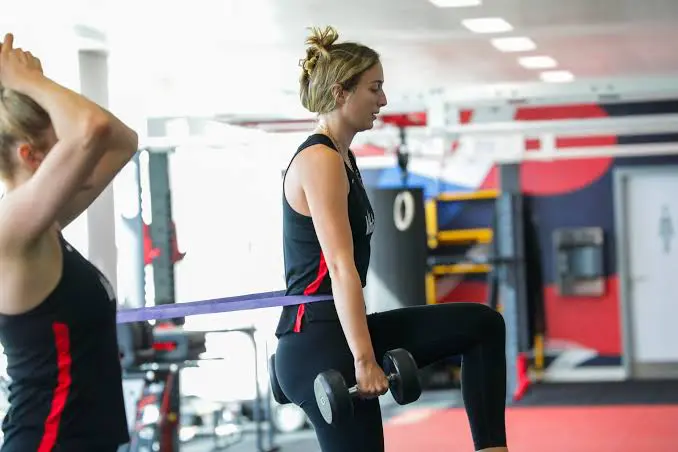
In September 2026, Project ACL, a research initiative examining women’s professional football, reported significant differences in staffing, facilities and resources across Women’s Super League clubs.
Although this research relates to football rather than netball, it raises important questions about the support structures available across women’s sport.
Are female athletes being given the same opportunities to strengthen their bodies, manage their workloads and recover properly?
And could better access to specialist support help reduce preventable injuries?
There’s no evidence that poorer facilities alone explain the higher ACL injury rate. However, access to appropriate training and medical support is an important part of injury prevention.
The mental impact of sporting injuries: It’s not just physical
When we talk about injuries in sport, the focus is often on the physical recovery. But what about the mental impact?
For athletes like Alicia Scholes, a serious injury doesn’t just mean time away from competing. It can mean missing major opportunities, being separated from teammates and facing months of rehabilitation before returning to the sport they love.
And whether you’re representing England or playing in your local netball league, being forced to stop doing something you enjoy can be incredibly difficult.
Research has shown that injured athletes can experience frustration, anxiety, loss of confidence and even feelings of isolation. For those whose lives revolve around sport, suddenly losing that routine and sense of purpose can be particularly challenging.
But can your mental wellbeing affect your physical recovery?
Research suggests it can.
Studies examining ACL rehabilitation have found that psychological factors, particularly fear of reinjury and a lack of confidence, can influence an athlete’s ability to return to sport.
Even when an athlete has regained their physical strength, they may still feel nervous about jumping, landing or changing direction. The fear of suffering another injury can affect how confidently they move and whether they feel ready to compete again.
That’s why rehabilitation shouldn’t just focus on rebuilding muscles and repairing ligaments. It should also involve rebuilding confidence.
Setting achievable recovery goals, staying connected with teammates, receiving encouragement and accessing psychological support when needed can all help athletes navigate their recovery.
For recreational netball players, that might simply mean remaining involved with your team, attending matches or gradually returning to training under appropriate professional guidance.
Because being physically ready to return to netball and feeling mentally ready aren’t always the same thing.
What can netball players do to reduce their risk of ACL injuries?
The good news is that there are practical steps netball players can take to reduce their risk.
Research has found that neuromuscular training programmes, which combine strength, balance, landing technique and changes of direction can significantly reduce ACL injury risk in female athletes.
These exercises don’t have to be complicated, and they’re not just for professional athletes.
Here are some simple changes worth building into your netball routine:
- Warm up properly. Include movement-based exercises that prepare your body for jumping, stopping and changing direction.
- Build strength. Strengthening your glutes, hamstrings, quadriceps and core can help improve control of your movements.
- Practise landing safely. Focus on controlled landings, bending your hips and knees, and avoiding your knees collapsing inwards.
- Work on balance and coordination. Single-leg balance exercises and controlled changes of direction can help develop stability.
- Allow time for recovery. Avoid pushing through pain or returning to matches before an injury has fully healed.
- Build up gradually. If you’re returning to netball after a break, increase your activity and intensity progressively.
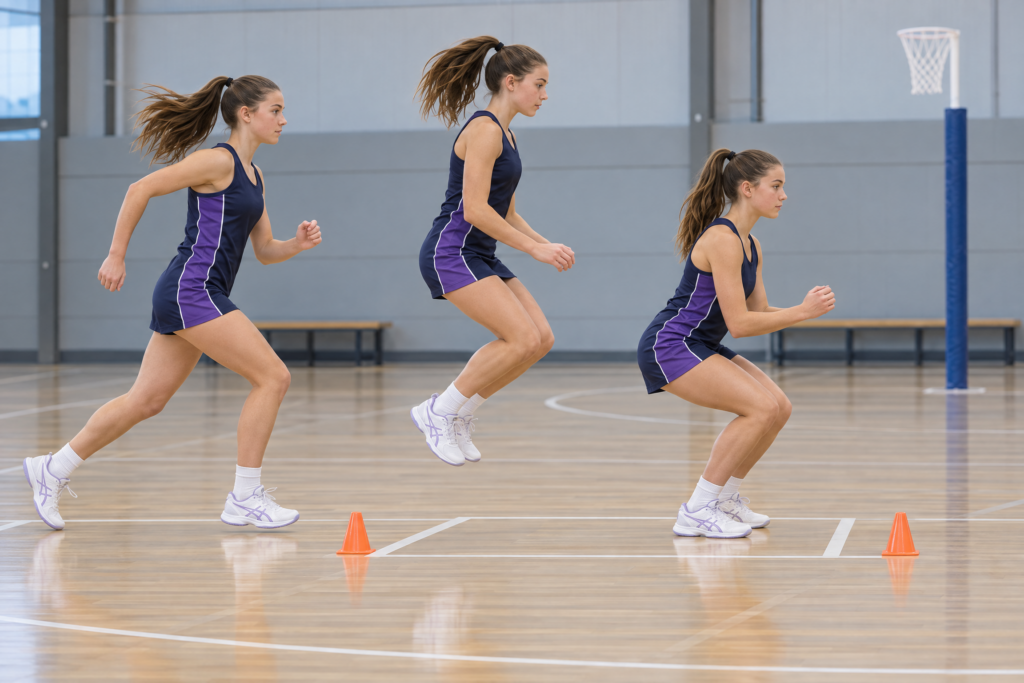
While no exercise programme can guarantee you’ll avoid an ACL injury, consistent preparation can make a meaningful difference.
So, are female athletes more prone to injury?
The answer isn’t as simple as yes or no.
Female athletes do appear to face a higher risk of certain injuries, including ACL ruptures. But this isn’t simply a question of women’s bodies being more vulnerable.
It’s a combination of biological factors, movement patterns, physical preparation, recovery and the environments in which athletes train and compete.
And as Alicia Scholes’ recent injury reminds us, the consequences extend far beyond the physical damage. Injuries can interrupt careers, take away opportunities and affect an athlete’s confidence and mental wellbeing.
As women’s sport continues to grow, so must the research, investment and resources dedicated to keeping female athletes healthy, both physically and mentally.
And whether you’re representing England or heading to your weekly social netball match, looking after your body and mind should always be part of the game.
Want more netball in your week? You can find your nearest league by typing in your city or postcode in our ‘find your nearest league’ search bar at the top of our website.